
Pipeline Road.
Listen before
you look.
A legendary rainforest corridor where the morning begins with calls in the canopy. Go early, walk slowly, and explore with a naturalist who knows which sound belongs to which bird.

A dirt road with an extraordinary soundtrack
Built during World War II to service a proposed pipeline across the isthmus, the road was never used for that purpose. The forest reclaimed the edges, leaving a long, quiet route into one of Central Panama's richest birding landscapes.
Hear the forest wake
Guides often identify a bird by call before anyone sees movement. The first minutes are about listening, locating, and letting your eyes adjust.
Search every layer
Antbirds work near the forest floor, trogons hold still in the mid-story, and toucans or raptors may appear high above the canopy.
Watch the canopy change
As the morning warms, the activity shifts. A tower or open viewpoint can add an entirely different perspective when included in the plan.
What Go Beyond can coordinate
Private transport
Hotel pickup timed for the earliest practical forest access and a comfortable return.
Naturalist guide
A guide matched to serious birding, a first nature walk, or photography priorities.
Route planning
Pipeline Road, the Discovery Center, and nearby Gamboa stops combined according to access and pace.
Kosher logistics
Tell us if the early departure needs drinks, snacks, or a packed breakfast arranged in advance.
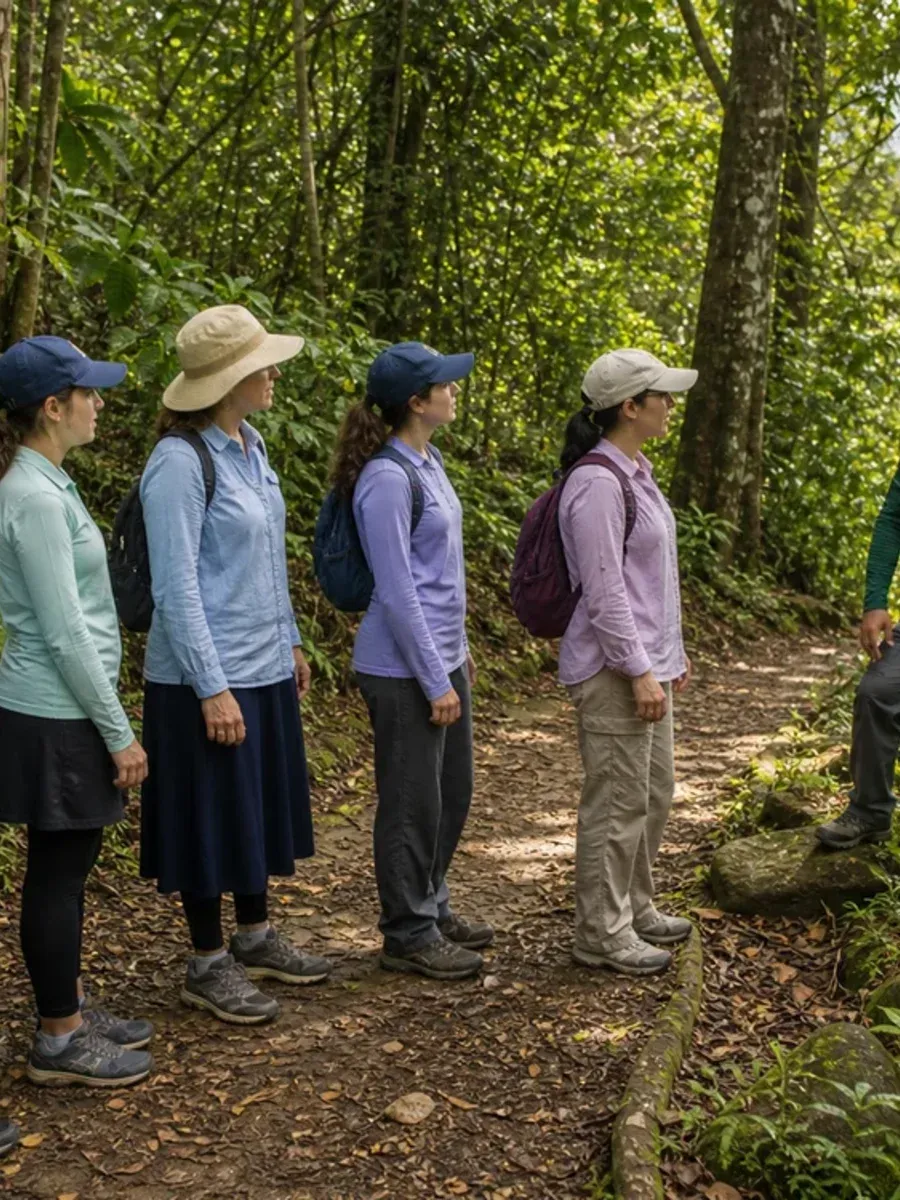
385 bird species. One day. One historic record.
In 1985, an Audubon bird count identified 385 species here within 24 hours. That achievement helped cement Pipeline Road's reputation, but a normal visit is not a race for a number.
The best morning is not the one with the longest list. It is the one where the forest slows you down enough to notice what is there.
More than a checklist
Species vary by season and conditions, but each forest layer creates a different kind of encounter.
Trogons & motmots
Color can disappear surprisingly well in shade. A guide helps find still birds tucked between leaves.
Toucans & raptors
Openings in the canopy offer brief looks at larger birds moving above the road.
Antbirds & forest calls
Some of the most rewarding species are heard first and seen only after patient searching.
Monkeys, sloths & more
Howler monkeys, coatis, butterflies, frogs, and other rainforest life can share the morning.
From forest floor to open canopy
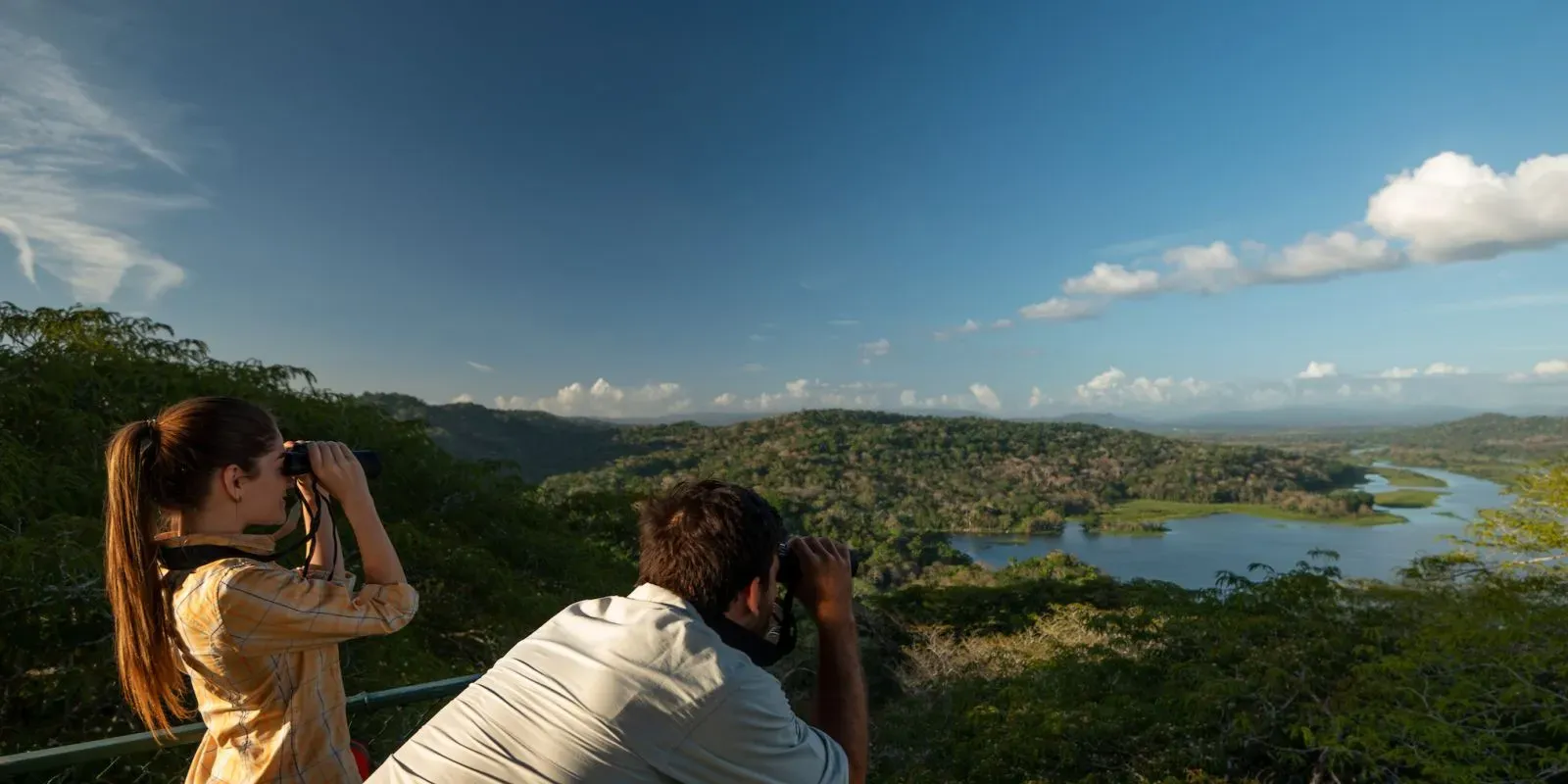
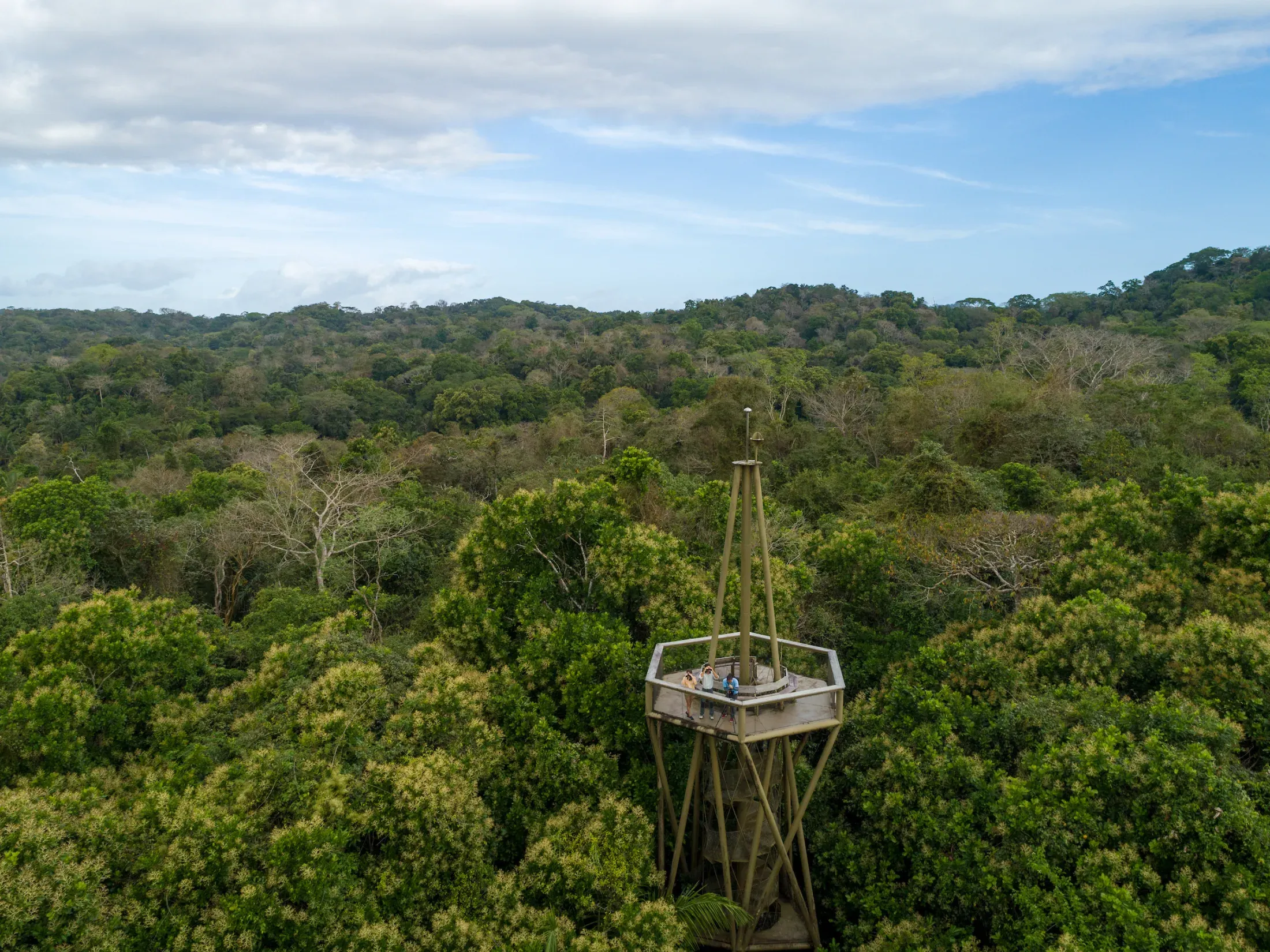
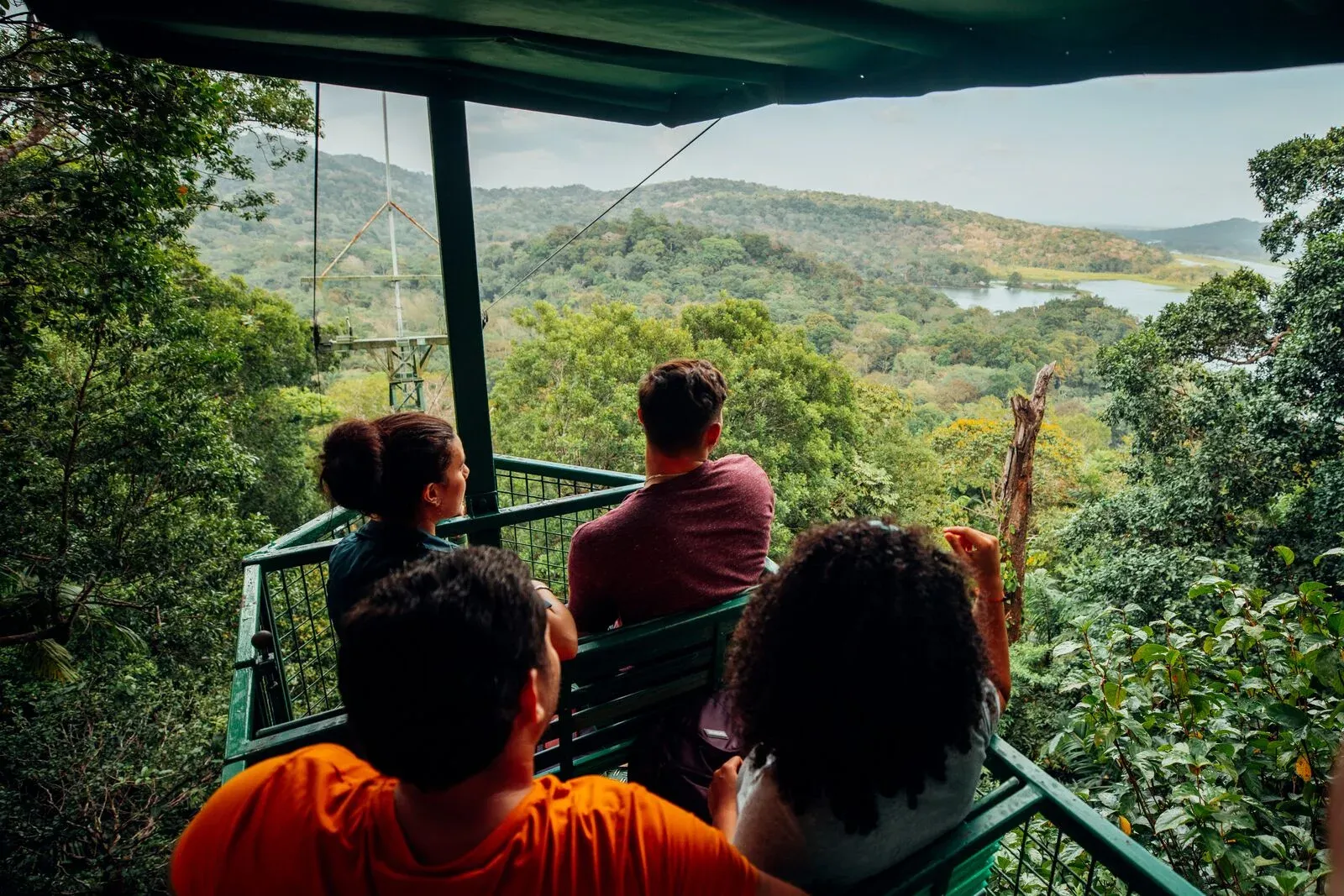
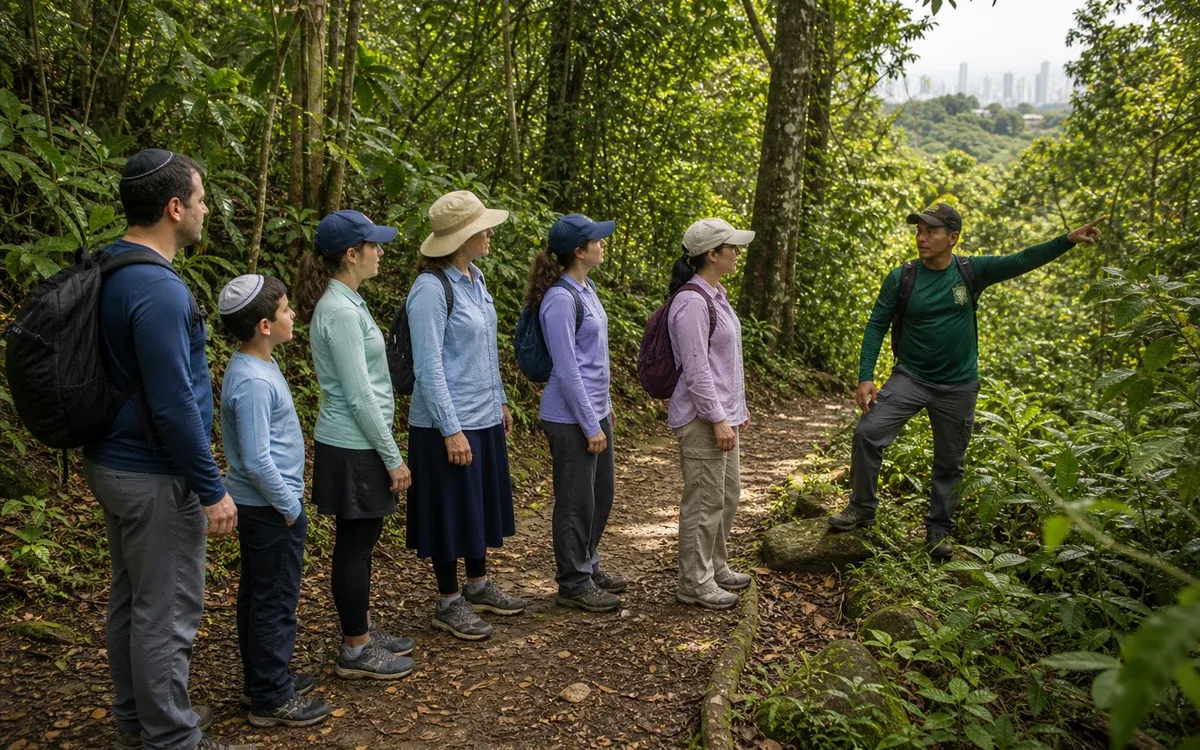
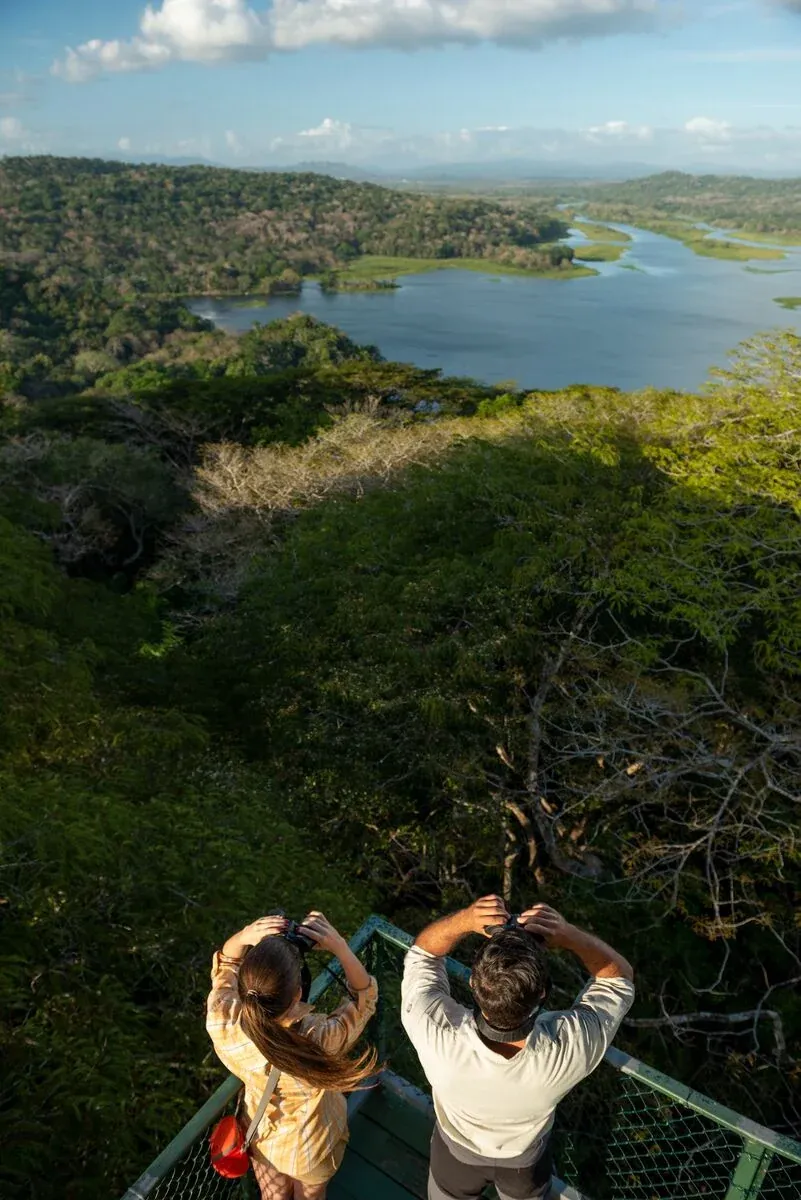
Photography shows Pipeline Road and the surrounding Gamboa rainforest experience. Specific routes and wildlife sightings vary.
From city darkness to forest light
Exact timing depends on access, season, and the route your guide recommends.
- 01Before sunrise
Private hotel pickup
Leave Panama City early enough to reach the Gamboa forest as activity begins.
- 02First light
Meet your naturalist
Set expectations, adjust binoculars, and discuss target birds or photography goals.
- 03Early morning
Walk Pipeline Road
Move quietly, stop often, and follow mixed flocks, calls, and fresh wildlife signs.
- 04Later morning
Add a canopy perspective
When arranged, continue to the Discovery Center, observation tower, or another nearby viewpoint.
- 05Before midday
Return or keep exploring
Head back to the city or combine the morning with the Gamboa Rainforest Adventure (zipline, Sloth Sanctuary, or aerial tram).
What belongs in your field bag
Binoculars
Bring your own if possible and share your preferred magnification or rental needs before the trip.
Trail shoes
Choose closed, grippy footwear that can handle mud, puddles, roots, and uneven ground.
Rain layer
A light waterproof shell and a dry bag protect you and your camera when showers arrive.
Forest protection
Pack insect repellent, water, sun protection, and lightweight clothing that covers skin.
This is patient wildlife watching, not a staged encounter
Expect humidity and mud. The conditions that make the forest productive also make it hot, damp, and sometimes slippery.
Silence improves the morning. Small groups, quiet voices, and slow movement give everyone a better chance to observe natural behavior.
The Harpy Eagle is not a realistic promise. It belongs to Panama's birding story, but sightings on a short visit are exceptionally rare.
Questions, answered
Tell us about birding experience, mobility, young children, camera equipment, or specific targets before we recommend the route.
Ask us on WhatsAppWhy is Pipeline Road famous?
Its accessible lowland rainforest supports extraordinary bird diversity. In 1985, an Audubon count recorded 385 species in 24 hours, establishing the historic record most often associated with the road.
Do I need to be an experienced birder?
No. A naturalist can make the morning engaging for first-time birders, families, and experienced listers. Tell us your level so we can match the pace and guide appropriately.
What time should we start?
Early morning is best because bird activity is generally strongest before the day becomes hot. Pickup and access time depend on your hotel, guide, season, and the route being used.
Is the walk difficult?
The road itself is generally straightforward, but heat, humidity, mud, puddles, and uneven surfaces can make it more demanding. We can adjust distance and pace for your group.
Are binoculars or a camera included?
Equipment is not automatically included. Bring binoculars and any camera gear you prefer, or ask about current rental options when requesting your quote.